A Mayor's Slur Exposes the Class War Behind the AI Boom
A mayor called opponents of a data center residents of 'shitty houses.' The comment reveals the deepening divide over AI infrastructure.
Last updated: June 7, 2026
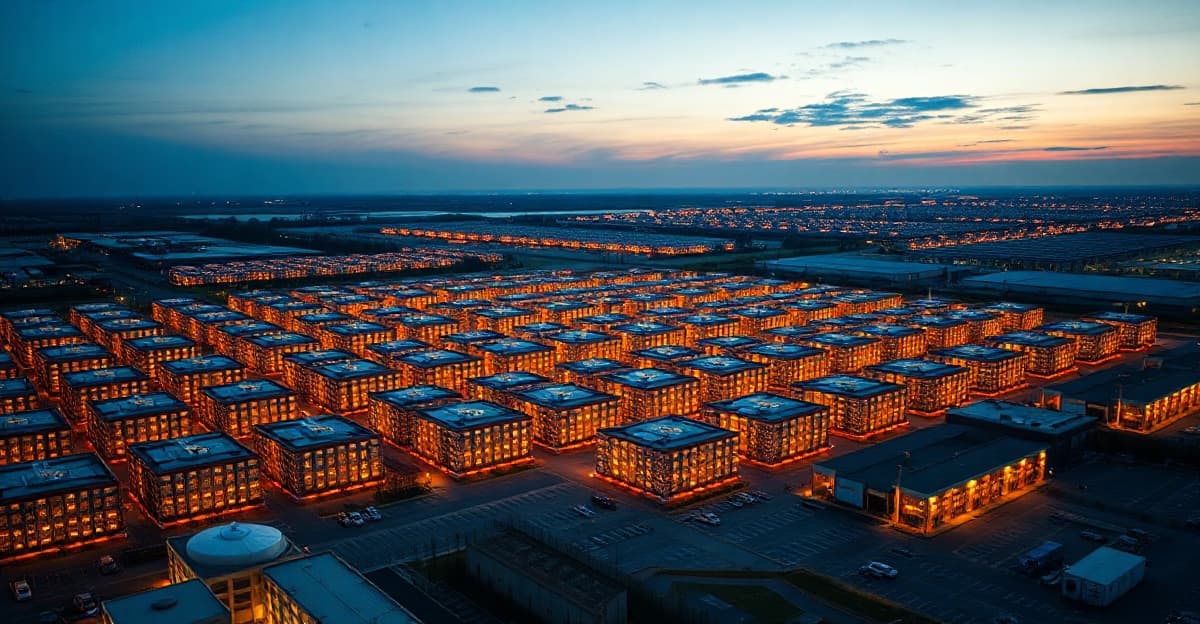
The mayor's comment reveals the class tensions underlying the AI data center boom, where local officials dismiss working-class opposition to massive infrastructure projects.
A proposed $2 billion data center in Shelbyville, Indiana, has ignited a political firestorm, and the mayor of the small city has thrown gasoline on the flames. Mayor Scott Furgeson was caught on camera dismissing residents who oppose the project, saying that the ‘No Data Center’ signs he has seen around town are only visible in ‘shitty houses’ and that ‘most of them are rentals.’ The woman in the clip pushes back, calling the sign holders ‘working class,’ but the damage was done. The remark, caught on a hot mic and shared widely, has turned a local zoning dispute into a national symbol of the growing class tensions surrounding the artificial intelligence infrastructure boom.
The Remark and Its Fallout
The video, which appears to show Furgeson speaking to a constituent, captures a moment of startling condescension. When the woman challenges his characterization, he doubles down, implying that only low-income renters would oppose the development. For many in Shelbyville, a town of roughly 20,000 people, the comment felt like a confirmation of what they already suspected: that the benefits of the data center, which promises jobs and tax revenue, will flow to outsiders and the wealthy, while the costs, including noise, water usage, and increased traffic, will be borne by existing residents. The mayor’s office has not issued a formal apology, and the city council is now facing calls to censure him. The incident highlights a broader pattern in which local officials, eager to attract high-tech investment, dismiss the legitimate concerns of their own constituents.
The Data Center Gold Rush Meets Local Reality
The Shelbyville controversy is not an isolated event. Across the United States, data centers are being proposed in small towns and rural areas, lured by cheap land, tax incentives, and abundant power. The AI industry’s insatiable demand for computing power has created a construction boom that shows no signs of slowing. But these projects often bring mixed blessings. They create relatively few permanent jobs, place enormous strain on local water and electricity grids, and can drive up housing costs. In Shelbyville, opponents have raised concerns about the facility’s water consumption, which could exceed 5 million gallons per day, and its impact on the local power grid. The mayor’s dismissive attitude suggests a deeper problem: a failure of local governance to engage in honest, respectful dialogue with the people who will live next to these massive installations.
The Class Divide in AI Infrastructure
Furgeson’s language, however crude, reveals a truth that many in the tech industry prefer to ignore. The physical infrastructure of AI, from data centers to server farms, is increasingly being built in communities that lack the political power to push back. These are often working-class towns with shrinking tax bases, where a $2 billion investment can seem like a lifeline. But the decision-making process is rarely democratic. Mayors and city councils negotiate deals behind closed doors, and residents are presented with a take-it-or-leave-it proposition. The mayor’s comment that opponents live in ‘shitty houses’ is a stark reminder that some local leaders see their own constituents as obstacles to progress, not as citizens whose voices matter. For AI companies, this is a reputational risk. If the narrative becomes that data centers are imposed on poor communities by out-of-touch elites, the broader public backlash could slow future projects.
What This Means for Practitioners and Policymakers
For AI developers and data center operators, the Shelbyville incident offers a clear lesson. Community engagement cannot be an afterthought. Companies must invest in transparent communication, listen to local concerns, and ensure that the economic benefits of their projects are distributed equitably. Tax breaks and job creation numbers are not enough. The industry needs to demonstrate that it can be a good neighbor, not just a powerful one. For local policymakers, the message is equally stark. Dismissing opposition as the grumbling of the poor is not only morally wrong but politically dangerous. The AI boom will reshape the American landscape for decades. How we manage that transformation, whether through inclusive dialogue or top-down imposition, will determine whether these projects become engines of shared prosperity or monuments to inequality. The next time a mayor sees a ‘No Data Center’ sign, they should ask why, not sneer at the house it sits in front of.
Frequently Asked Questions
What exactly did Mayor Scott Furgeson say about the data center opponents?
He said he only sees 'No Data Center' signs in 'shitty houses' and that 'most of them are rentals,' implying that only low-income renters oppose the project.
Why are some Shelbyville residents opposed to the $2 billion data center?
Residents have raised concerns about water consumption, strain on the local power grid, increased traffic, and the relatively few permanent jobs the facility will create.
What does this incident reveal about the broader data center industry?
It highlights a pattern where local officials, eager to attract tech investment, dismiss the legitimate concerns of working-class communities, risking a public backlash against AI infrastructure.