Vatican and Anthropic Forge Unprecedented Alliance on AI Ethics
Pope Leo's first encyclical features Anthropic, marking a historic bridge between Catholic doctrine and Silicon Valley's AI development.
Last updated: May 27, 2026
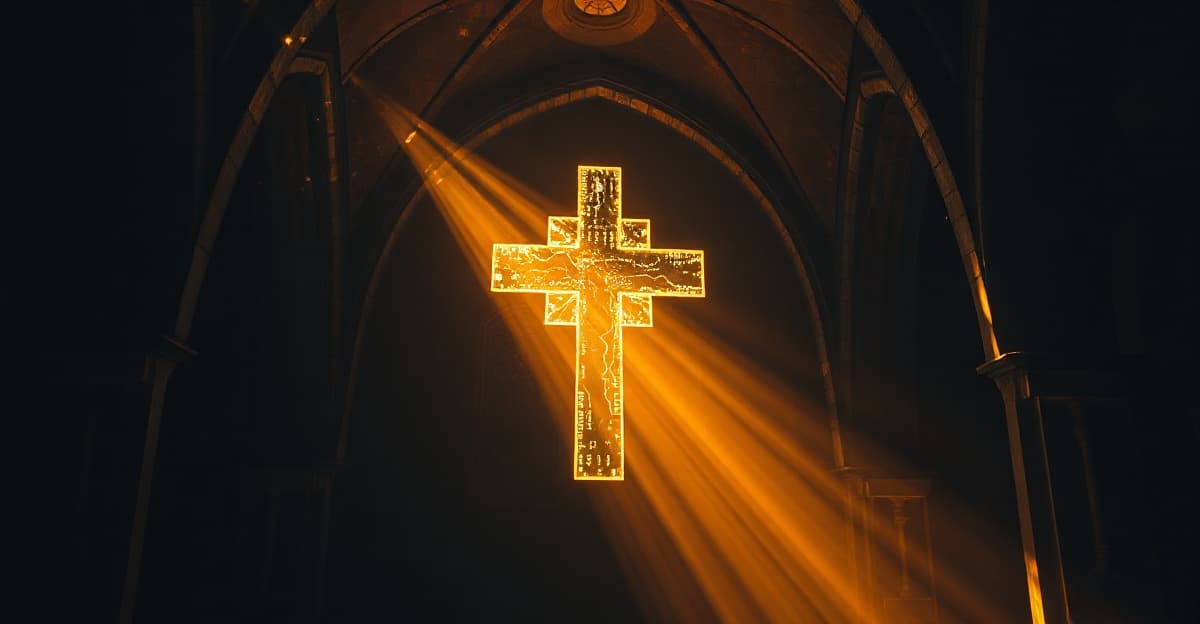
The Vatican invited Anthropic to present at Pope Leo's AI encyclical to bridge Catholic doctrine with Silicon Valley's technical expertise on ethical AI development.
The Vatican has invited Anthropic, the AI safety company behind the Claude model, to participate in the presentation of Pope Leo’s first encyclical on artificial intelligence. This unprecedented move signals a deepening relationship between the Catholic Church and Silicon Valley, as both institutions grapple with the moral and existential questions raised by advanced AI systems.
A Historic Invitation
The encyclical, a formal letter from the Pope to the Church’s bishops, represents the highest level of papal teaching. By including Anthropic in its presentation, the Vatican is acknowledging that AI development cannot be left to technologists alone. The invitation specifically went to Christopher Olah, Anthropic’s co-founder and head of interpretability research, whose work on understanding neural networks aligns with the Church’s interest in transparency and accountability.
This collaboration did not emerge from a vacuum. The Vatican has been increasingly active in technology ethics, hosting conferences on AI and human dignity. Anthropic, for its part, has positioned itself as a responsible AI developer with a focus on safety and ethical alignment. The partnership suggests that the Church sees Anthropic as a credible partner in shaping AI governance, rather than just another tech company seeking a moral stamp of approval.
The Church and the Algorithm
Pope Leo’s encyclical is expected to address core concerns about AI: human dignity, labor displacement, privacy, and the potential for autonomous systems to make life-or-death decisions. The Vatican’s engagement with Anthropic indicates a shift from general pronouncements to direct dialogue with engineers building these systems. This mirrors a broader trend where religious institutions seek technical expertise to inform their ethical frameworks.
The choice of Anthropic over other AI leaders is telling. Unlike OpenAI or Google DeepMind, Anthropic has publicly committed to rigorous safety testing and constitutional AI, a method that trains models to follow explicit rules. This approach resonates with the Catholic tradition of natural law, where moral principles are encoded into systems of governance. The Vatican may view constitutional AI as a secular analog to canon law, a structured way to embed values into technology.
Implications for the AI Industry
For practitioners and decision-makers, this alliance signals that ethical AI is no longer a niche concern but a mainstream expectation. The involvement of a major religious institution could accelerate calls for regulation and transparency. Companies that ignore these signals may find themselves at odds not just with regulators but with cultural and moral authorities that shape public opinion.
The partnership also highlights the importance of interpretability research. Olah’s presence underscores that understanding how AI models work is not just a technical challenge but a moral imperative. The Vatican wants to know what these systems are doing inside, not just what they output. This pressure could lead to more investment in explainable AI and model auditing.
What Comes Next
The true test of this alliance will be whether it produces concrete outcomes. Will the Vatican endorse specific policy proposals? Will Anthropic integrate Catholic social teaching into its model training? The encyclical may provide a framework, but the hard work of implementation lies ahead. Other religious institutions may follow the Vatican’s lead, creating a network of moral oversight that spans faiths and borders.
As AI systems become more capable, the questions they raise become more profound. The Vatican’s invitation to Anthropic is a recognition that these questions cannot be answered by engineers alone. It is a call for a broader conversation about what kind of future we want to build. For the AI industry, the message is clear: the era of purely technical decision-making is over.
Source: Wired AI
Frequently Asked Questions
Why did the Vatican choose Anthropic over other AI companies?
Anthropic's focus on AI safety, constitutional AI, and interpretability research aligns with the Vatican's values of transparency and accountability. Christopher Olah's work on understanding neural networks was particularly relevant to the Church's interest in ethical AI.
What is Christopher Olah's role at Anthropic and why was he invited?
Christopher Olah is the co-founder and head of interpretability research at Anthropic. His expertise in making neural networks understandable matches the Vatican's desire for AI systems that are transparent and accountable to human oversight.
What does this invitation mean for the future of AI regulation?
This signals a growing expectation for ethical AI development beyond technical circles. The Vatican's involvement could accelerate calls for regulation and transparency, pressuring AI companies to prioritize safety and moral considerations in their systems.