Your AI Digital Twin Is Already Shaping Your Workflow
Learn how early adopters move beyond prompt engineering to build AI digital twins that learn your habits and reshape your workflow.
Last updated: May 25, 2026
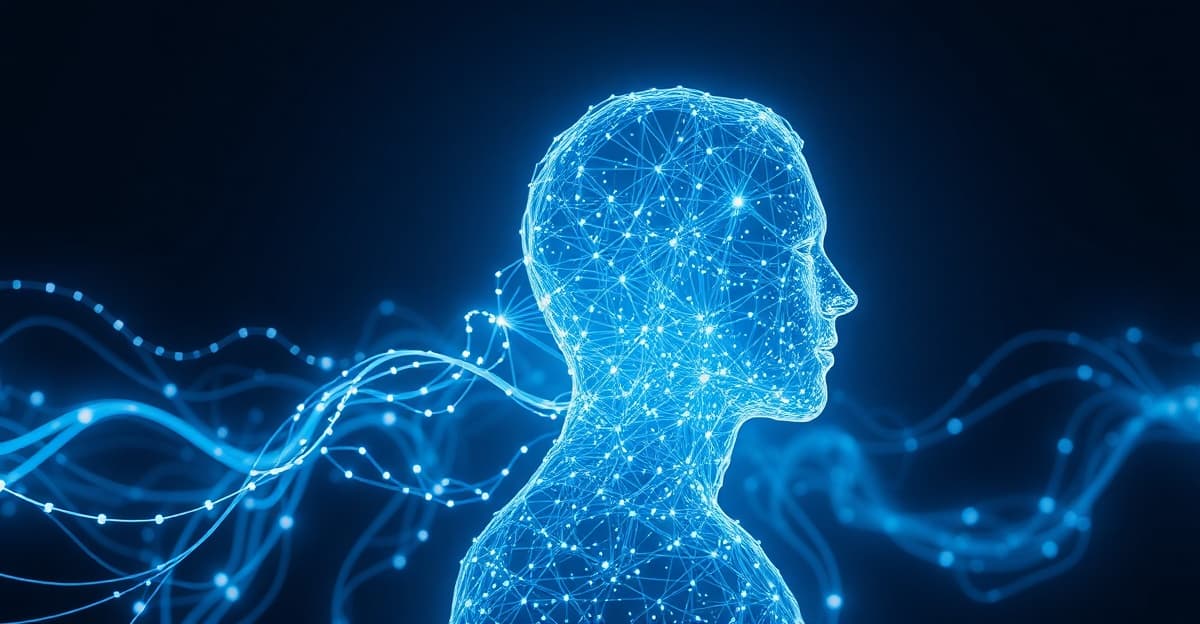
AI hyper-personalization moves beyond generic automation by creating digital twins that learn your communication style, schedule, and cognitive preferences, anticipating tasks and handling complex reasoning.
The era of generic automation is ending. For the past two years, professionals have experimented with large language models as blunt instruments: writing drafts, summarizing emails, and generating boilerplate code. But a subtle shift is underway. The most advanced users are no longer treating AI as a tool they command. They are instead cultivating a digital twin, a persistent, adaptive agent that learns their communication patterns, anticipates their scheduling conflicts, and mirrors their cognitive preferences. This is not a futuristic fantasy. It is happening now, inside the workflows of early adopters who have moved beyond prompt engineering into a new mode of human-machine collaboration.
The Limits of Prompt Engineering
Prompt engineering became the first skill of the AI era. Users learned to craft precise instructions to coax useful outputs from black-box models. But this approach has a ceiling. Every prompt starts from zero. The model does not remember your last interaction, your preferred tone, or the fact that you always review financial reports before 10 AM. You must re-explain context each time. This friction limits adoption to discrete tasks. True productivity gains come not from one-off queries but from systems that understand you. The prompt engineer is a skilled operator. The user of a digital twin is a partner.
Building a Personal AI That Knows You
Creating a digital twin requires a deliberate audit of your own workflow. Start by identifying the repetitive decisions you make daily: how you prioritize emails, which meeting formats drain your energy, and when you do your deepest thinking. Feed these patterns into a configurable AI agent. Many platforms now allow you to set persistent instructions, memory banks, and behavioral rules. For example, you can instruct your agent to never schedule meetings before 11 AM, to summarize long threads in bullet points, and to flag messages from specific clients with a priority score. Over weeks, the agent learns not just your rules but your exceptions. It begins to anticipate. A colleague cancels a meeting, and your twin automatically proposes a new slot based on your historical availability and energy levels. This is not magic. It is the result of persistent, personalized training data.
Case Study: The Reclaimed Morning
Consider a senior product manager at a mid-size tech firm. She used to spend the first 90 minutes of her day triaging Slack messages, emails, and notifications. After building a digital twin, she now wakes to a single brief: a prioritized list of tasks, a draft response to the most critical message, and a calendar already adjusted for cancellations. Her twin learned that she does her best strategic work between 8 AM and 10 AM. It now blocks that time automatically, rescheduling low-priority check-ins and filtering out non-urgent pings. The result is not just time saved but cognitive energy preserved. She reports making higher-quality decisions before lunch. This case illustrates a broader principle: hyper-personalization does not just automate tasks. It redesigns the workflow itself around the user’s natural rhythms.
The Next Leap: Multi-Step Native Reasoning
The current generation of digital twins excels at pattern recognition and simple scheduling. The next frontier is multi-step reasoning performed natively within the agent. Instead of asking your twin to summarize a document and then separately to draft a reply, you will simply state an objective: handle the vendor negotiation. The twin will retrieve the contract, compare it against your past deals, suggest a counteroffer, schedule a review meeting with legal, and send a calendar invite to the vendor, all without your intervention. This requires the agent to hold a complex goal in memory, break it into sub-tasks, execute them in sequence, and adapt when unexpected obstacles arise. Early versions of this capability are already appearing in research prototypes and premium enterprise tools. The key enabler is long-term memory and feedback loops that allow the agent to learn from its own mistakes.
Auditing Your Productivity Stack for the Next Wave
To prepare for this shift, you must audit your current tools. Ask yourself three questions. First, does your AI assistant remember your preferences across sessions? If not, it is a prompt tool, not a twin. Second, can it act on your behalf without explicit instruction for every step? Look for agents that support goal-oriented commands. Third, does it integrate with your core platforms: email, calendar, documents, and messaging? Fragmented tools cannot build a coherent model of your work. The best strategy today is to choose one platform that offers persistent memory and begin training it. Feed it your rules, your exceptions, and your feedback. Over time, the investment compounds. Your digital twin becomes more valuable the longer you use it.
What to Watch Next
The most important development to monitor is the emergence of shared digital twins that can collaborate across organizations. Imagine a scenario where your twin negotiates a deadline with a client’s twin, both understanding their respective humans’ preferences and constraints. This would eliminate the back-and-forth of scheduling and approvals. It would also raise profound questions about privacy, agency, and trust. Who controls the twin? What data does it share? These questions will define the next decade of work. The professionals who start building their digital twins today will be the ones shaping those answers tomorrow.
Frequently Asked Questions
How do I start building a digital twin for my workflow?
Choose an AI platform with persistent memory and behavioral rules. Feed it your daily decisions, preferences, and exceptions. Start with scheduling and email triage, then expand to more complex tasks as the system learns your patterns.
What is the difference between prompt engineering and using a digital twin?
Prompt engineering requires you to re-explain context for each task. A digital twin remembers your preferences across sessions, anticipates your needs, and acts on your behalf without explicit step-by-step instructions for every action.
Can digital twins handle multi-step tasks without human intervention?
Early versions can manage simple sequences like rescheduling meetings. The next generation will handle complex goals such as vendor negotiations by breaking them into sub-tasks, executing them, and adapting to obstacles using long-term memory.
What are the privacy risks of using a persistent AI agent?
Your digital twin stores personal data about your habits, preferences, and communications. Review the platform's data retention policies, ensure encryption, and limit the twin's access to sensitive information until you trust its security model.