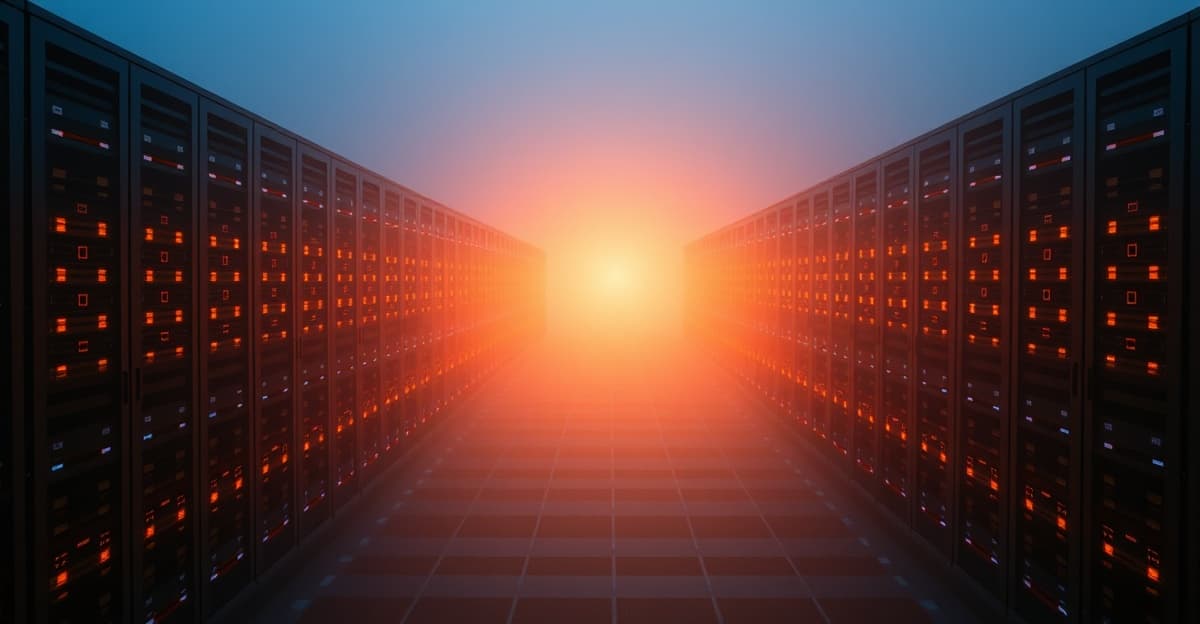
Meta's Tent Data Centers: A Cost Cutting Strategy Borrowed from Tesla
Meta adopts Tesla's tent approach for data centers to slash costs. Expert analysis on implications for AI infrastructure and the industry.
Last updated: June 5, 2026
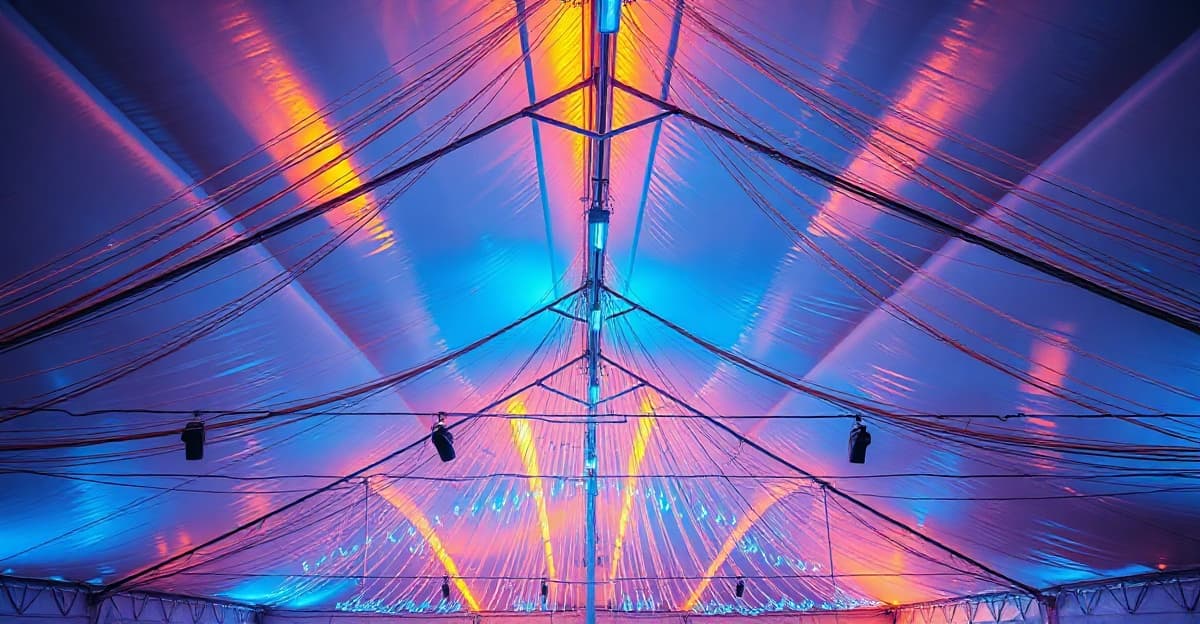
Meta is building data centers in tents to slash costs and speed up deployment, a tactic borrowed from Tesla. This could reshape AI infrastructure strategies.
In a move that blends industrial pragmatism with a dash of audacity, Meta has quietly adopted a strategy pioneered by Tesla: building data centers in tents. The company, which has seen its capital expenditures balloon alongside its artificial intelligence ambitions, is now deploying large scale, temporary structures to house the servers that power its AI models and social platforms. This unconventional approach, reported by TechCrunch, signals a significant shift in how hyperscalers think about infrastructure, prioritizing speed and cost over traditional brick and mortar permanence.
The Logic of Temporary Infrastructure
Meta’s decision mirrors Tesla’s 2018 gamble in Fremont, California, where the automaker erected a massive tent to boost Model 3 production. For Tesla, the tent was a crisis response to production bottlenecks. For Meta, it is a calculated strategy to reduce the enormous costs of building and operating data centers. Traditional data centers require years of planning, expensive real estate, and significant construction costs. Tents, by contrast, can be erected in weeks, use less permanent material, and can be easily dismantled or relocated as needs change.
The financial pressure on Meta is immense. The company has committed tens of billions of dollars to AI infrastructure, including custom silicon and massive GPU clusters. Cooling these systems, a major operational expense, is also easier in tent structures. By using high volume air movement and evaporative cooling techniques, Meta can achieve effective thermal management without the capital intensive chillers and cooling towers of a standard facility. This is not a hack; it is a deliberate engineering choice to optimize for the specific demands of AI workloads.
Implications for the Hyperscaler Race
Meta’s tent strategy could reshape the competitive dynamics among cloud providers. Amazon Web Services, Microsoft Azure, and Google Cloud have all invested heavily in permanent data center campuses. If Meta demonstrates that temporary structures can achieve comparable reliability and performance, it may force competitors to reconsider their own infrastructure playbooks. The key question is whether tents can match the uptime and security requirements of enterprise clients, but for Meta’s internal workloads, the calculus is different.
The company is not offering tent based data center services to external customers. Instead, it is using them to support its own AI training and inference needs, where flexibility and cost are paramount. This allows Meta to scale its compute capacity rapidly in response to demand spikes, such as new model releases or seasonal traffic surges, without the multi year lead time of permanent construction.
What This Means for Practitioners and Decision Makers
For AI practitioners and infrastructure decision makers, Meta’s approach offers a new tool in the cost optimization arsenal. The lesson is not that tents are a universal solution, but that questioning assumptions about data center design can yield significant savings. Companies should evaluate their own workload patterns and consider whether modular, temporary infrastructure could serve specific use cases, such as research clusters, batch processing, or disaster recovery.
However, this strategy comes with tradeoffs. Tents may offer less physical security, greater exposure to environmental conditions, and shorter lifespans. They are best suited for workloads that can tolerate some level of risk or disruption. For mission critical production systems, traditional data centers remain the standard. The innovation is in recognizing that not every server needs a permanent home.
The Future of Flexible Infrastructure
Meta’s tent data centers represent a broader trend toward infrastructure agility. As AI models grow larger and more expensive to train, the ability to rapidly deploy and decommission compute resources becomes a competitive advantage. We may see more companies adopt pop up data centers, floating server farms, or even orbital compute nodes. The era of rigid, monolithic data centers is giving way to a more fluid, responsive approach.
The next phase will likely involve integrating renewable energy sources directly into these temporary structures, further reducing operational costs and environmental impact. Meta is already a leader in renewable energy procurement, and tents could make it easier to colocate compute with wind or solar farms, avoiding grid transmission costs. This is a development worth watching closely.
Source: TechCrunch AI
Frequently Asked Questions
How does Meta's tent data center strategy reduce costs?
Tents require less capital investment and can be erected in weeks instead of years. They also use simpler cooling methods like high volume air movement, avoiding expensive chillers and cooling towers.
Is Meta offering tent data center services to external customers?
No, Meta uses these tents for its own AI training and inference workloads. The strategy is for internal use, not for competing with cloud providers like AWS or Azure in the public cloud market.
What are the main risks of using tents for data centers?
Tents offer less physical security, greater exposure to weather and environmental conditions, and have shorter lifespans than permanent structures. They are best suited for workloads that can tolerate some risk of disruption.